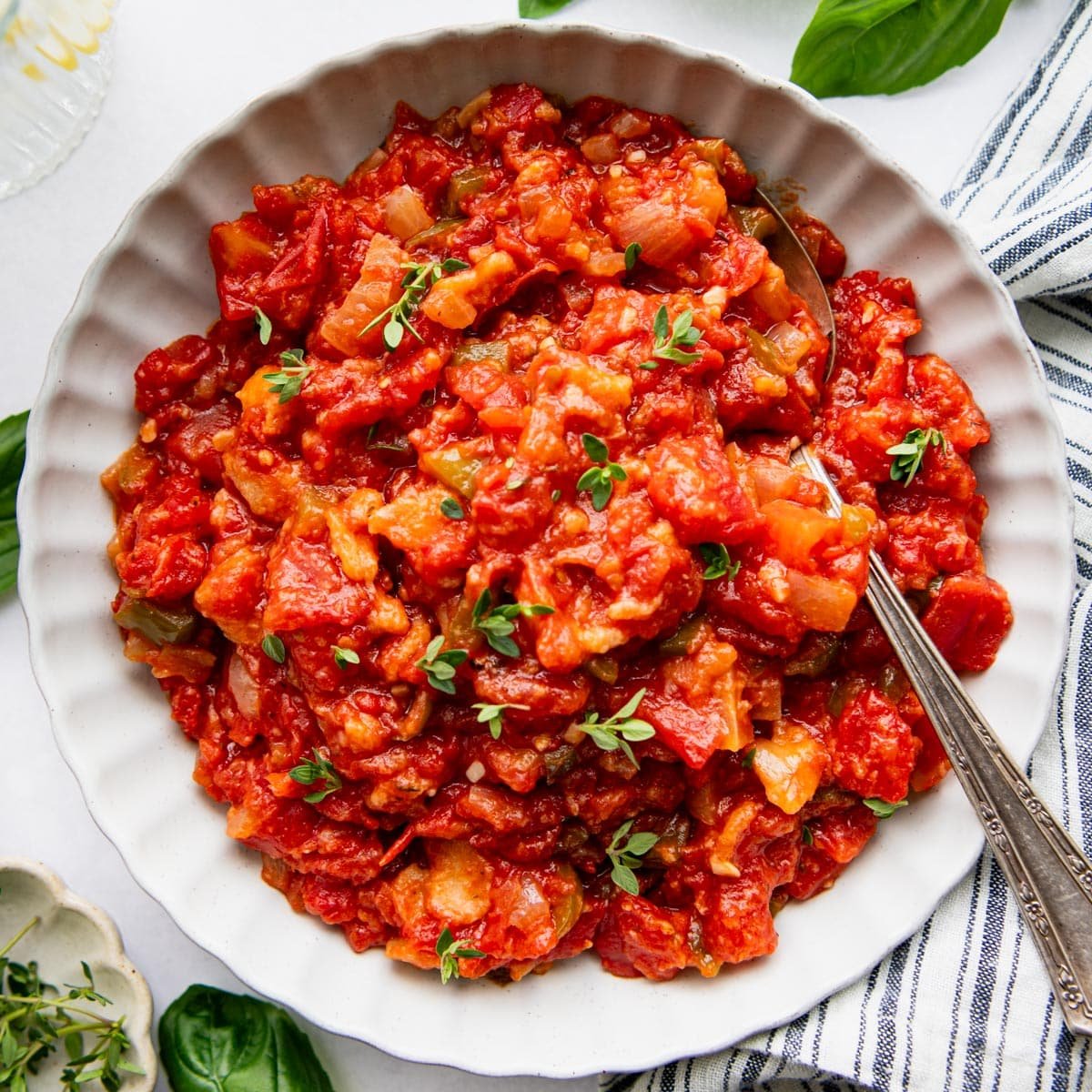
Stewed Tomatoes: A Culinary Canvas of Flavor and Comfort
From humble garden harvests to cherished family recipes passed down through generations,
stewed tomatoes hold a special place in kitchens worldwide. More than just a simple side dish, these tender, flavorful tomatoes offer remarkable versatility, serving as both a comforting accompaniment and a potent enhancer for countless culinary creations. Whether you're seeking to preserve the bounty of summer's ripeness or craft a deeply satisfying component for your next meal, mastering the art of stewed tomatoes opens up a world of delicious possibilities.
The Enduring Appeal and Rich History of Stewed Tomatoes
The story of
stewed tomatoes is one deeply intertwined with home cooking and regional traditions. Particularly in the American South, this dish isn't just food; it's a staple, a memory, and a taste of home. Imagine a bustling "meat-and-three" diner, or a Sunday family dinner, where a bubbling pot of stewed tomatoes sits proudly alongside fried chicken or pork chops. It’s the kind of recipe that embodies comfort, passed down through intuition and shared meals rather than strict measurements.
What makes stewed tomatoes so universally beloved? Part of their charm lies in their simplicity, allowing the inherent goodness of the tomato to shine through. Yet, they also possess an incredible capacity for transformation. A basic preparation might feature just fresh tomatoes and salt, yielding a bright, vibrant side. A Southern-style rendition, however, might introduce the aromatic depth of sautéed onions, bell peppers, and garlic, a touch of sweetness to balance acidity, and even a unique thickening agent like torn white bread, creating a rich, savory, and slightly sweet experience that harks back to simpler times. This adaptability is precisely why
stewed tomatoes remain a go-to for home cooks looking for both ease and profound flavor.
Crafting Your Own Stewed Tomatoes: A Tale of Two Approaches
While the core concept of simmering tomatoes until tender remains, there are distinct paths one can take to create this beloved dish. Each method offers a unique flavor profile and experience, catering to different ingredients and desired outcomes.
1. The Fresh & Simple Method: Celebrating Garden-Fresh Goodness
When your garden is overflowing with plump, sun-ripened tomatoes, or you've just returned from the farmer's market with a vibrant haul, opting for a fresh and simple approach to
stewed tomatoes is immensely rewarding. This method prioritizes the pure, unadulterated flavor of the fresh produce, allowing its natural sweetness and acidity to take center stage.
The process begins with preparing your fresh tomatoes. While some recipes might skip peeling, doing so creates a smoother, more refined texture that many find preferable. This is easily achieved by making a shallow "X" cut on the bottom of each tomato, blanching them in boiling water for 30 seconds to a minute until the skin begins to curl, and then plunging them into an ice bath. This thermal shock makes the skins incredibly easy to peel off with your hands. After peeling, you can quarter or roughly chop the tomatoes.
Transfer the prepared tomatoes to a large saucepan over low heat. A simple seasoning of salt is often all that's needed to enhance their natural flavor. You might also consider a pinch of black pepper or a hint of fresh basil for an added layer of aroma. Simmer gently, stirring occasionally to prevent sticking, until the tomatoes have slightly thickened and deepened in color, typically 20 to 30 minutes. The result is a bright, clean, and wonderfully fresh batch of
Garden-Fresh Stewed Tomatoes: An Easy Homemade Recipe that truly celebrates the taste of summer.
2. The Hearty Southern Style: A Symphony of Comfort Flavors
For a deeper, richer, and more complex flavor, the Southern-style approach to
stewed tomatoes is an absolute delight. This method elevates the dish by incorporating aromatics and a touch of sweetness, creating a robust and incredibly satisfying side. It’s also incredibly flexible, allowing for the use of either fresh or canned tomatoes, making it a year-round favorite.
The foundation of Southern-style stewed tomatoes often begins with sautéing chopped sweet onions, bell peppers, and minced garlic in a generous amount of butter. This step builds a foundational layer of savory goodness. Once softened, the tomatoes are added – either fresh (Roma tomatoes are an excellent choice here) or canned diced tomatoes with their juices, offering convenience without compromising flavor.
Next comes the seasoning. A key characteristic of classic Southern-style stewed tomatoes is their balanced sweetness. A spoonful of sugar is often added to counteract the tomatoes' acidity, creating a harmonious, more rounded flavor profile. Don't skip this! While the amount can be adjusted to taste, a little sweetness goes a long way. Herbs like fresh or dried thyme are traditional, but feel free to experiment with fresh basil, parsley, or oregano to suit your preference.
A unique and traditional Southern touch is the addition of torn white bread during the simmering process. This isn't just for texture; the bread acts as a natural thickener, absorbing excess juices and creating a wonderfully rustic, hearty consistency. This step is optional, however, if you prefer a thinner consistency. Simmer the mixture gently for about 20 minutes, allowing the flavors to meld beautifully. The outcome is a comforting, flavorful dish that embodies the warmth of a
Classic Southern Stewed Tomatoes: Comfort Food Side Dish.
Beyond the Side Dish: Unleashing the Versatility of Stewed Tomatoes
While excellent on their own, the true magic of
stewed tomatoes lies in their incredible versatility as a recipe enhancer. Their rich, savory, and often slightly sweet profile makes them a fantastic base or addition to a wide array of dishes. Think of them as a pre-seasoned, flavor-packed ingredient ready to elevate your cooking.
Here are just a few ways to incorporate them into your culinary repertoire:
*
Soups and Stews: Use stewed tomatoes as the base for a hearty vegetable soup, a vibrant minestrone, or even a quick and comforting tomato soup. Their pre-cooked nature saves time and adds depth.
*
Pasta Sauces: Chop them up further and use them as the foundation for a quick marinara or a rustic puttanesca. The built-in flavor from herbs and aromatics means less work for you.
*
Casseroles and Bakes: Layer them into lasagnas, add them to chicken and zucchini casseroles, or fold them into cheesy pasta bakes for a burst of fresh tomato flavor and moisture.
*
Egg Dishes: Serve them alongside scrambled eggs, use them to create a quick shakshuka-inspired breakfast, or dollop them over fried eggs for a vibrant start to your day.
*
Grains and Legumes: Stir them into rice pilafs, spoon them over creamy polenta or grits, or add them to a pot of simmering lima beans or lentils for added color and tang.
*
Meat Dishes: They pair wonderfully with pan-fried pork chops, smothered chicken, or even as a flavorful component in meatloaf or meatballs. Their acidity helps to cut through the richness of meats.
*
Bruschetta and Toppings: A spoonful of well-seasoned stewed tomatoes makes an excellent topping for toasted baguette slices, baked potatoes, or even simple grilled fish.
This ingredient truly transforms from a simple side to a foundational element, capable of adding a touch of homemade goodness to almost any meal.
Expert Tips for Perfect Stewed Tomatoes Every Time
Achieving consistently delicious
stewed tomatoes involves a few key considerations that can elevate your dish from good to outstanding.
*
Tomato Selection is Key: For fresh stewed tomatoes, choose ripe, firm tomatoes. Roma tomatoes are excellent due to their meaty texture and fewer seeds, but any good quality ripe tomato will work. When using canned, opt for high-quality diced or crushed tomatoes.
*
The Art of Peeling: While optional, peeling tomatoes (especially larger, garden varieties) provides a smoother texture. The X-cut and ice bath method is foolproof for easy skin removal.
*
Balance is Everything: Tomatoes are naturally acidic. For the best flavor, especially in Southern-style preparations, balance this acidity with a touch of sweetness (sugar) and richness (butter). Always taste and adjust seasonings – salt, pepper, herbs, and sugar – to your preference throughout the simmering process.
*
Thickening Options: Traditional Southern recipes use torn white bread. If you prefer a gluten-free option or a different texture, you can simply simmer the tomatoes longer to reduce their liquid, or, for a quicker thickening, whisk a small amount of cornstarch or flour with a little water before stirring it in.
*
Herb Power: Fresh herbs like basil, parsley, oregano, or thyme add incredible aroma and flavor. If using fresh, stir them in during the last few minutes of simmering or as a garnish. Dried herbs can be added earlier in the cooking process to allow their flavors to bloom.
*
Don't Rush the Simmer: Low and slow is the key to allowing the flavors to meld and the tomatoes to tenderize beautifully without scorching. Stir occasionally to ensure even cooking.
*
Storage Savvy: Leftover stewed tomatoes can be stored in an airtight container in the refrigerator for up to 3-4 days. They also freeze exceptionally well for several months, making them perfect for meal prepping or preserving a large harvest.
Conclusion
Stewed tomatoes are more than just a recipe; they are a culinary tradition, a testament to the simple power of fresh ingredients, and an incredibly versatile asset in any kitchen. Whether you're drawn to the vibrant purity of a garden-fresh batch or the comforting complexity of a Southern-style preparation, these tender, flavorful tomatoes offer endless opportunities to enhance your meals. From being a cherished side dish to a secret weapon in your favorite sauces, casseroles, and stews, embracing stewed tomatoes means embracing flavor, versatility, and a little piece of home. So, gather your tomatoes, choose your preferred method, and prepare to elevate your cooking with this timeless classic.