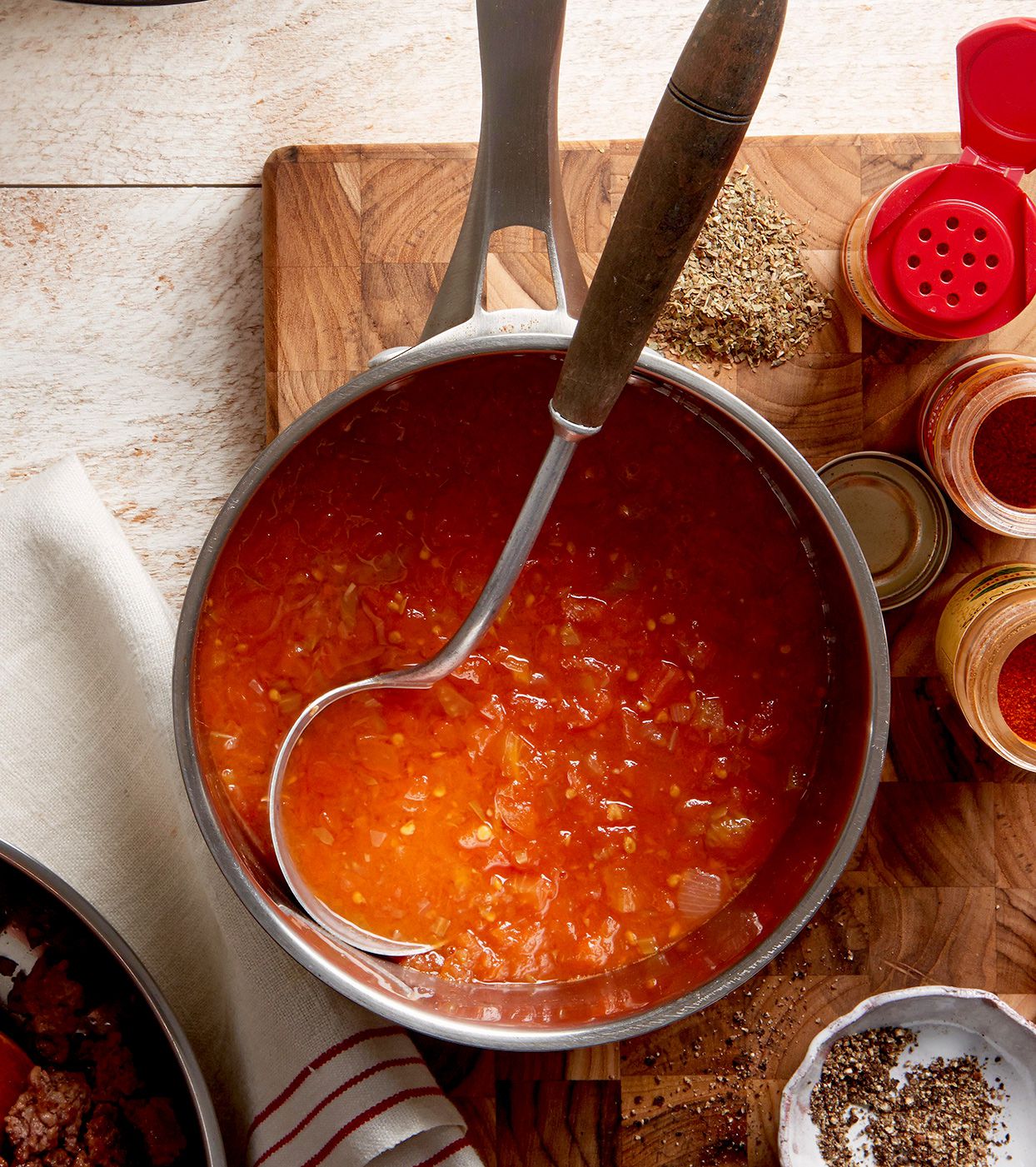
Garden-Fresh Stewed Tomatoes: An Easy Homemade Recipe for Peak Flavor
There's nothing quite like the taste of ripe, sun-kissed tomatoes straight from the garden. They hold the essence of summer, bursting with a natural sweetness and tang that store-bought varieties can rarely match. While enjoying them fresh is a delight, transforming these gems into homemade stewed tomatoes offers a versatile and deeply satisfying culinary experience. This simple, yet incredibly flavorful recipe allows you to capture that peak garden freshness, preserving it for countless meals to come. Whether you're a seasoned gardener with a bounty of produce or simply seeking to elevate your home cooking with authentic flavors, learning to make your own stewed tomatoes is an incredibly rewarding endeavor.The Timeless Appeal of Homemade Stewed Tomatoes
Homemade stewed tomatoes aren't just a recipe; they're a celebration of simple, wholesome ingredients. Unlike their canned counterparts, which often contain added sugars, preservatives, and artificial flavors, making them from scratch gives you complete control over every element. This results in a cleaner, brighter flavor profile that truly lets the tomato shine. For generations, this humble dish has been a staple in kitchens, particularly in the American South, where it’s a beloved side dish served alongside comfort food classics like cornbread, fried chicken, and pork chops. It’s the kind of recipe passed down through memory, evocative of family gatherings and home-cooked meals. Reviewers often praise its uncomplicated nature and fantastic taste, as one home cook, tlwise7023, succinctly put it: "Exactly the recipe I was looking for — uncomplicated and great tasting." The beauty lies in its simplicity, making it accessible for any home cook to master.Mastering the Art of Garden-Fresh Stewed Tomatoes: A Simple Recipe
Our primary focus here is to highlight the natural deliciousness of fresh, ripe tomatoes. This recipe is designed to be straightforward, ensuring you get the most flavor with minimal fuss.Ingredients You'll Need:
- 10 large, ripe garden tomatoes: Roma tomatoes are an excellent choice due to their firm flesh and lower seed count, but any meaty, ripe variety will work beautifully.
- 2 teaspoons salt: Essential for drawing out the tomatoes' flavor and seasoning. You can adjust this to taste later.
- Optional: A pinch of freshly ground black pepper for an added layer of flavor.
Step-by-Step Guide to Perfection:
- Gather and Prepare: Start by gathering all your ingredients and equipment. Bring a large pot of water to a rolling boil. Simultaneously, fill a large bowl with ice water and set it aside; this "ice bath" is crucial for stopping the cooking process of the tomatoes quickly.
- Score the Tomatoes: Using a small paring knife, carefully cut a shallow 'X' into the bottom of each tomato. This scoring will make the peeling process significantly easier once they've been blanched.
- Blanch for Easy Peeling: Gently place the scored tomatoes into the boiling water. Let them cook for only about 30 seconds to 1 minute. You'll know they're ready when you see the skin around the 'X' begin to curl back and peel away. Be careful not to overcook them, as this can make them mushy.
- Shock in Ice Water: Using a slotted spoon, quickly transfer the blanched tomatoes from the boiling water directly into the ice water bath. Let them sit there for about 5 minutes. This sudden temperature change not only stops the cooking but also helps loosen the skin further.
- Peel and Quarter: Once cooled enough to handle, remove the tomatoes from the ice water. The skins should now slip off effortlessly with your hands. After peeling, slice each tomato into quarters, removing any tough core if present. You can also gently squeeze out some excess seeds if you prefer a less seedy stew.
- Simmer to Perfection: Transfer the peeled and quartered tomatoes into a large saucepan or Dutch oven. Stir in the salt evenly. Place the saucepan over low heat. The goal here is a gentle simmer, not a vigorous boil. Cook, stirring occasionally to prevent the tomatoes from sticking to the bottom and burning, until the mixture has slightly thickened and the flavors have melded together, typically about 20 to 30 minutes. The tomatoes will break down, creating a rich, rustic texture.
- Taste and Adjust: Once cooked, taste your stewed tomatoes and adjust the seasoning if needed. You might want to add a little more salt, or perhaps that pinch of black pepper.
Pro Tip: For an even richer flavor, you can roast your tomatoes before stewing them. Halve them, toss with a little olive oil, salt, and pepper, and roast at 400°F (200°C) until slightly caramelized, then proceed to simmer (no need for blanching/peeling if roasting, as the skins will be easy to remove after roasting or can be left on for extra fiber).
Elevate Your Stewed Tomatoes: Southern Touches and Flavor Enhancements
- Aromatics for Depth: Before adding the tomatoes, consider sautéing finely diced sweet onions, bell peppers (especially green or red), and minced garlic in a tablespoon or two of butter until softened. This step builds a foundational layer of savory flavor that complements the tomatoes beautifully.
- Balancing Sweetness: Classic Southern-style stewed tomatoes are often characterized by a hint of sweetness. Adding a teaspoon or two of granulated sugar, brown sugar, or even a touch of maple syrup helps balance the acidity of the tomatoes and enhances their natural sweetness. Adjust the amount to your personal preference.
- Herbaceous Notes: Fresh or dried herbs can significantly brighten and deepen the flavor profile. Thyme is a traditional choice, offering an earthy, slightly minty note. Other excellent options include fresh basil (stirred in at the very end), fresh parsley, oregano, or a bay leaf added during simmering and removed before serving. Experiment to find your favorite combination!
- Thickening with Tradition: For a thicker, heartier stew, a slice of torn white bread, stirred in during the last 10 minutes of simmering, is a traditional Southern secret. The bread absorbs excess juices and breaks down, creating a comforting texture. If you prefer a gluten-free option or a smoother consistency, a cornstarch slurry (1 tsp cornstarch mixed with 1 tbsp cold water) can be whisked in and simmered for a minute or two.
- Spicy Kick: For those who enjoy a bit of heat, a pinch of red pepper flakes or a dash of hot sauce can add a delightful warmth.
Beyond the Bowl: Creative Ways to Enjoy Your Stewed Tomatoes
The versatility of homemade stewed tomatoes is truly remarkable. They are far more than just a side dish; they can become the star or a crucial supporting player in a wide array of recipes. Stewed Tomatoes: Versatile Side Dish & Recipe Enhancer for countless meals. Here are some ideas to incorporate them into your culinary repertoire:- Classic Side Dish: Serve them warm alongside a pan of skillet cornbread, creamy grits, pan-fried pork chops, grilled fish, or hearty lima beans. They provide a bright, acidic counterpoint to richer dishes.
- Sauce Base: Their robust flavor makes them an ideal base for pasta sauces, chili, minestrone soup, or vegetable stews. Simply blend them for a smoother sauce or keep them chunky for a rustic feel.
- Layer in Casseroles: Add a layer of stewed tomatoes to your next lasagna, chicken zucchini casserole, or even a shepherd's pie for an extra boost of flavor and moisture.
- Breakfast Booster: Spoon them over toasted sourdough bread with a fried egg and a sprinkle of fresh herbs for a vibrant and satisfying breakfast or brunch.
- Quick Lunch: Use them as a flavorful topping for bruschetta, a base for a quick shakshuka, or as a vibrant addition to a grain bowl.
- Pizza Topping: Spread a thin layer of chunky stewed tomatoes on your pizza dough before adding cheese and other toppings for a fresh, homemade pizza experience.
